
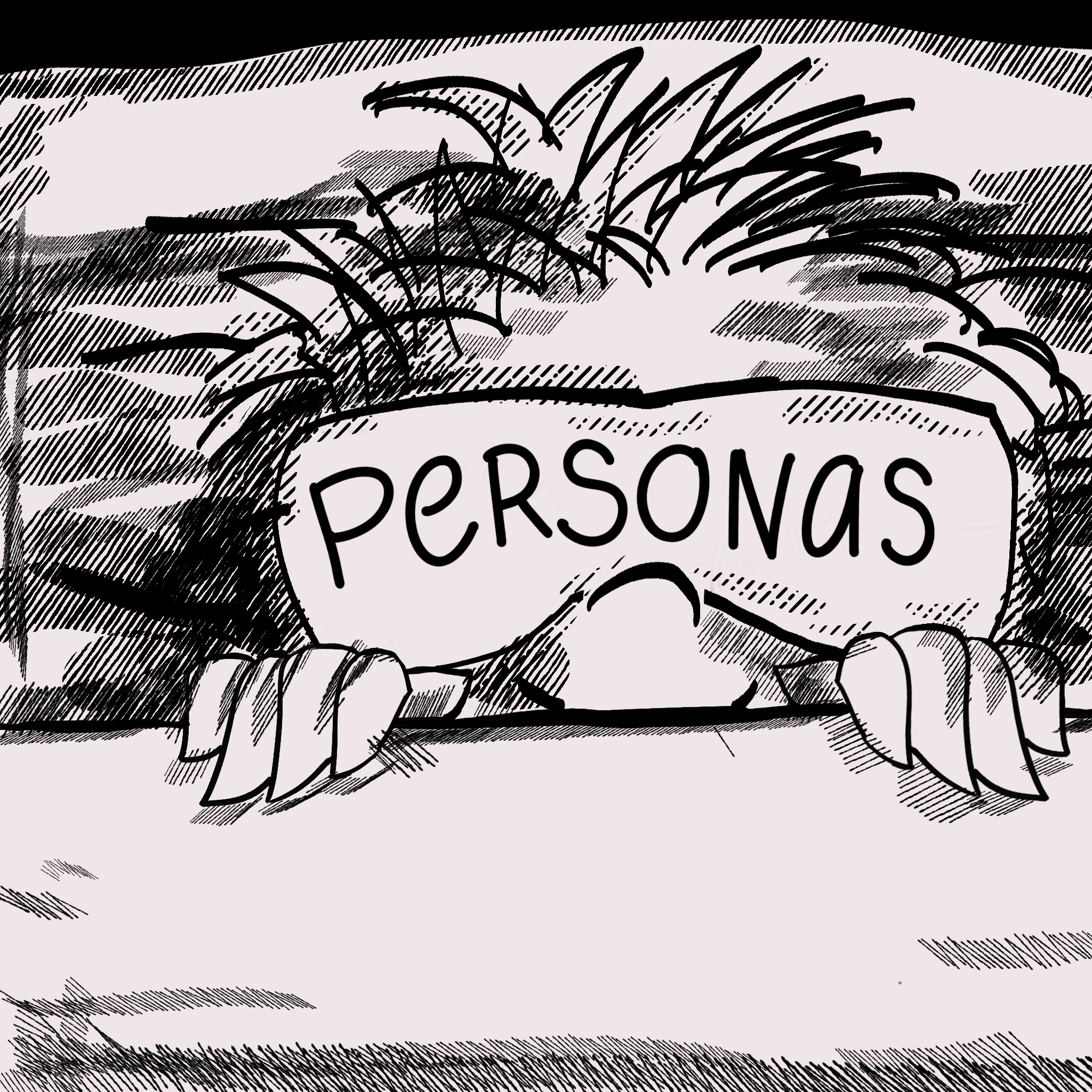
Personas are one of those research deliverables that everyone recognizes and almost no one uses. Has your team ever actually made a decision based on one?
You've seen them. A name, a stock photo, a list of hobbies, a quote that sounds too polished to be real. "Meet Dev Dan. He's a senior backend engineer, goes to hackathons on weekends, and wants AI-powered tools that don't slow him down."
Dev Dan does not help your design team make a decision.
The problem isn't the format. It's that personas try to describe a person rather than explain a behavior, and behavior is what design decisions actually hinge on.
There's a version of this problem that's getting worse, not better. AI makes it easy to generate exhaustive research reports, comprehensive user profiles, and analysis that covers every angle. More information, more pages, more thoroughness. Yet somehow, less clarity about what to actually do.
More is not better. Useful is better.
When Lisa and I build behavioral archetypes, we're making deliberate choices about what to leave out. Rather than asking "who is this person?" we ask: "What is this person trying to do in this context? What's getting in their way? What does that mean for how our team designs?" Everything that doesn't answer that question doesn't make the cut. Though they do each get a memorable name and hand drawn icon because we want folks to remember them 🙂
The result is something your team can actually use in a room. Not "would Dev Dan like this?" but "does this solve the problem for someone at this stage of adoption, with this level of familiarity with the codebase, under this kind of deadline pressure?"
That's the difference between a research artifact and a design tool.
Personas make research feel done. Behavioral archetypes, built with discipline and a willingness to leave things out, make it feel useful.
Put Personas to Bed

Previous
Previous
Prioritize Your Future Strategy, Now
Next
Next